24,000 Calls From 11,000 Users for a South Carolina Rehab Center
A South Carolina rehab center logged about 24,000 calls from 11,000 organic search users, with calls rising within 90 days and peaking in months 6–12.
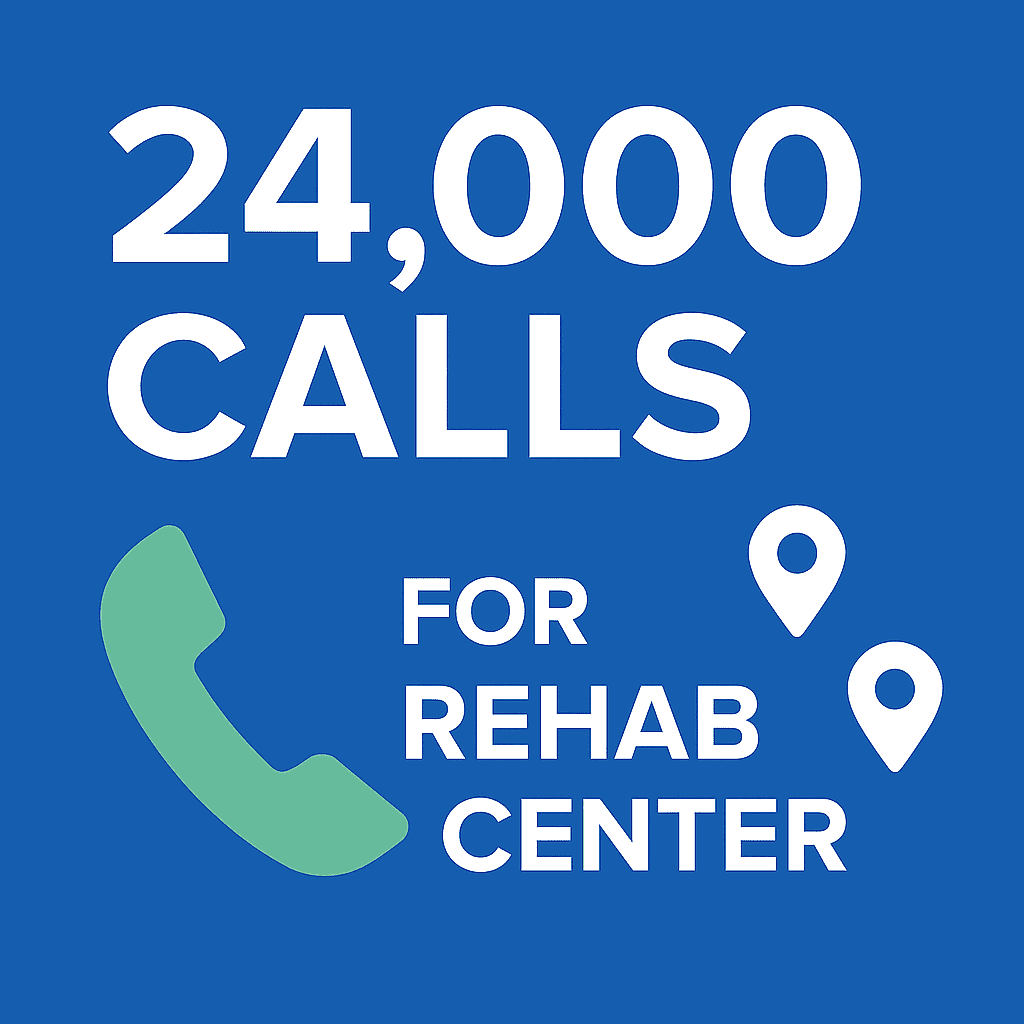
24,000
Phone calls generated
11,000
Users converted to calls
2.2
Calls per calling user
Top
Google Maps rankings
Overview
A South Carolina addiction treatment center sought to boost calls and admissions from high-intent local users despite having adequate services and staffing.
Strategy: Call-Focused Local SEO Framework
- Google Business Profile optimization for direct phone-call actions
- High-intent keyword mapping (‘rehab near me,’ ‘drug treatment in South Carolina’)
- Conversion-focused content development and on-page SEO
- Review systems and trust signals
- Local authority building via citations and backlinks
The Results
- 24,000 phone calls generated from local search
- 11,000 users converted into phone interactions
- About 2.2 calls per calling user (24,000 calls ÷ 11,000 users), a call rate above 200%
- Top rankings in Google Maps for core treatment-related queries
Why It Worked
- Prioritized mobile-first user behavior
- Optimized Google Business Profile with proper categories and services
- Aligned with the real search journeys of users seeking immediate treatment
The bottom line: All outcomes derived from organic search, no paid advertising or lead aggregators. Significant call volume increased within 90 days, peaking between months 6–12.
Why did this South Carolina center need more calls, not just clicks?
This South Carolina center held adequate services and staffing yet wanted more calls and admissions. Admissions in addiction treatment begin with a phone call, not a form. A person in crisis dials a number the moment they decide to seek help. Clicks alone do not fill beds, so this center needed a strategy engineered for calls. Its visibility did not yet convert high-intent local users into phone conversations. RehabGrowth focused the engagement on call actions from the start. A free SEO audit shows a center where its call opportunities are leaking before they ever reach the front desk.
How did the Call-Focused Local SEO Framework fit this market?
The South Carolina market runs on mobile, immediate searches for treatment. RehabGrowth optimized the Google Business Profile for direct phone-call actions, because the profile is where mobile searchers tap to call. The framework mapped high-intent keywords like rehab near me and drug treatment in South Carolina. It built conversion-focused content and on-page SEO that guided visitors toward calling. Review systems and trust signals reassured people at the moment of decision. Local authority building through citations and backlinks raised map rankings. Google Business Profile optimization sat at the center of this framework, because the profile turns a map view into a phone call.
Why did a call-focused approach work for a treatment center?
Treatment searchers act on mobile devices with urgent intent. A mobile map result offers a one-tap call button, which removes friction between decision and contact. RehabGrowth prioritized this mobile-first behavior instead of treating calls as an afterthought. The Google Business Profile carried proper categories and services, so it appeared for the right searches. High-intent queries like rehab near me signal a person ready to pick up the phone. Top Google Maps rankings placed the center inside that moment of readiness. Local SEO aligned the whole strategy with the real search journeys of users seeking immediate treatment.
What do these results mean for admissions?
The ratio of calls to callers is the telling number: about 24,000 calls from 11,000 users is roughly 2.2 calls per person. Repeat calls usually mean a family is working through insurance, availability and logistics with the admissions team, which is what an active admissions conversation looks like. A phone call is the closest measurable step before an admission, but the center did not share how many calls became admissions, so this case study reports calls rather than admitted patients. Every call came from organic search, with no paid advertising and no lead aggregators, so the center owns the pipeline.
What was the timeline of change?
Significant call volume increased within 90 days. Call performance peaked between months 6 and 12. Local SEO compounds, so the early profile and content work set up the later surge. The first 90 days confirmed that call actions were rising before the peak arrived. Reviews, citations, and rankings strengthened across the middle months. By months 6 to 12, the call curve reached its highest volume. This pattern shows that a call-focused framework delivers early proof and then scales into a large, sustained call pipeline.
What should a similar rehab center take away?
A center that wants admissions should measure calls, not just clicks. Phone calls sit one step from a placed admission, so they are the metric that matters. The path starts with a Google Business Profile built for direct call actions. High-intent, near me keywords capture searchers who are ready to dial. Conversion-focused content and strong reviews then remove hesitation. This South Carolina center turned 11,000 users into 24,000 calls with no ad spend, which proves the model. Any center chasing more admissions can study the full case studies and rebuild its local presence around the phone call.
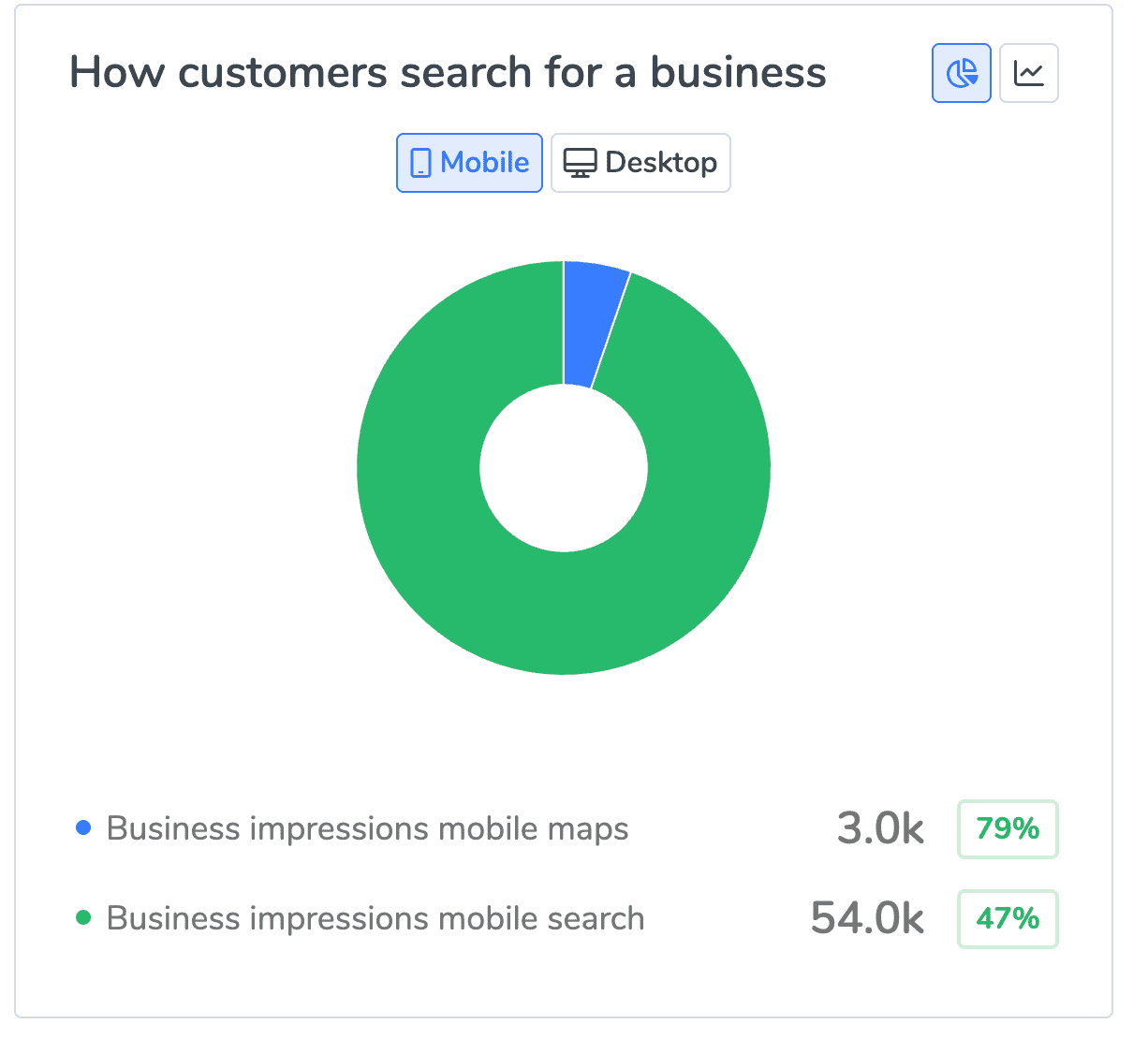
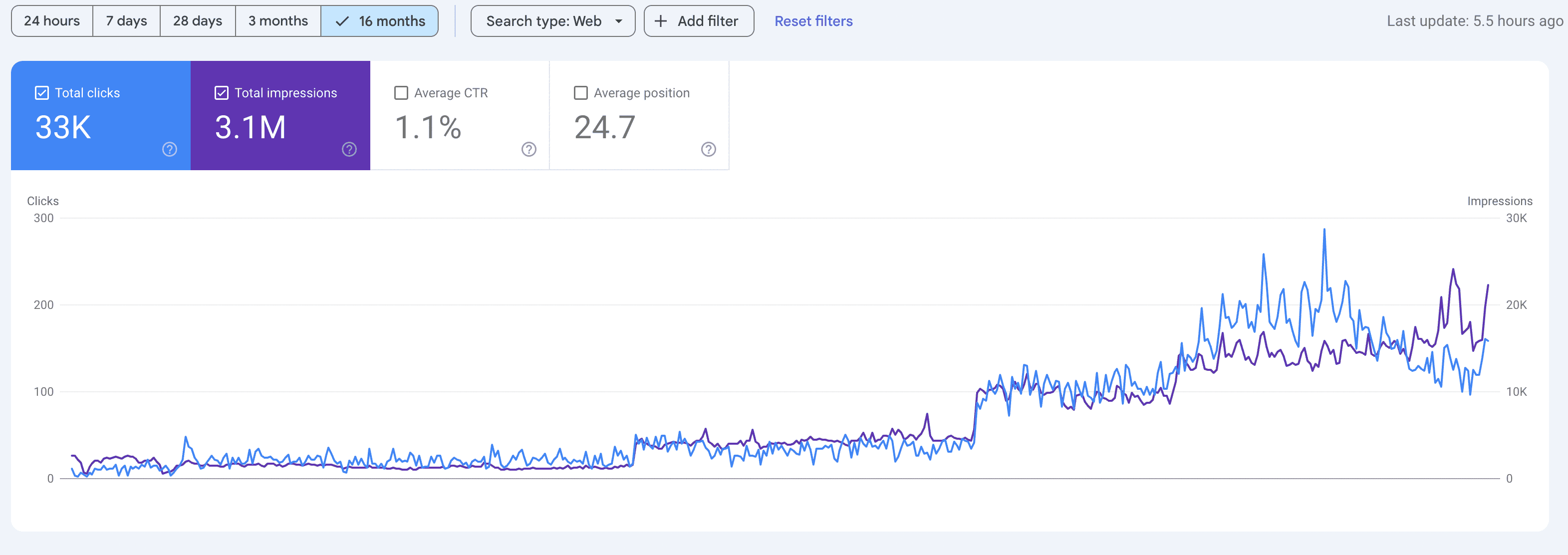
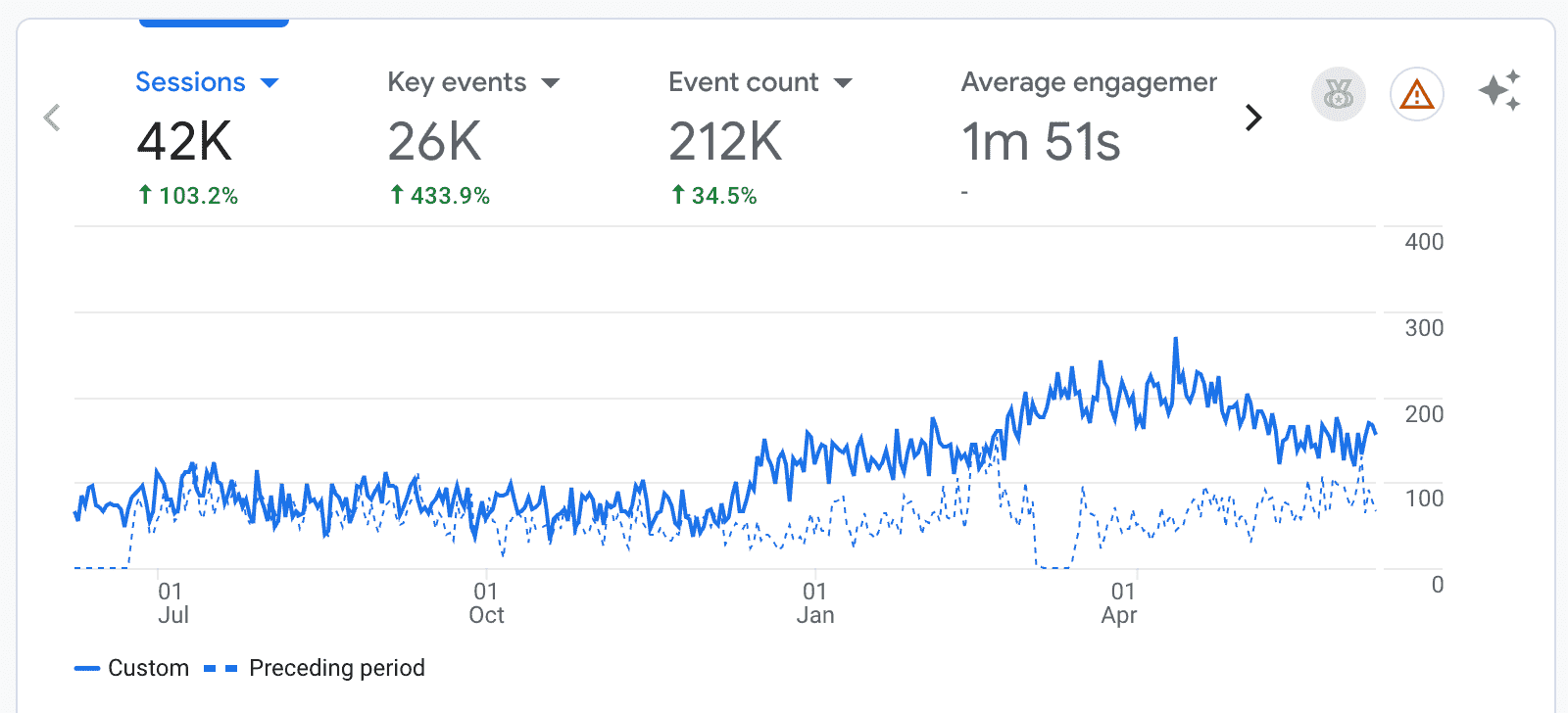
Real data, straight from Google
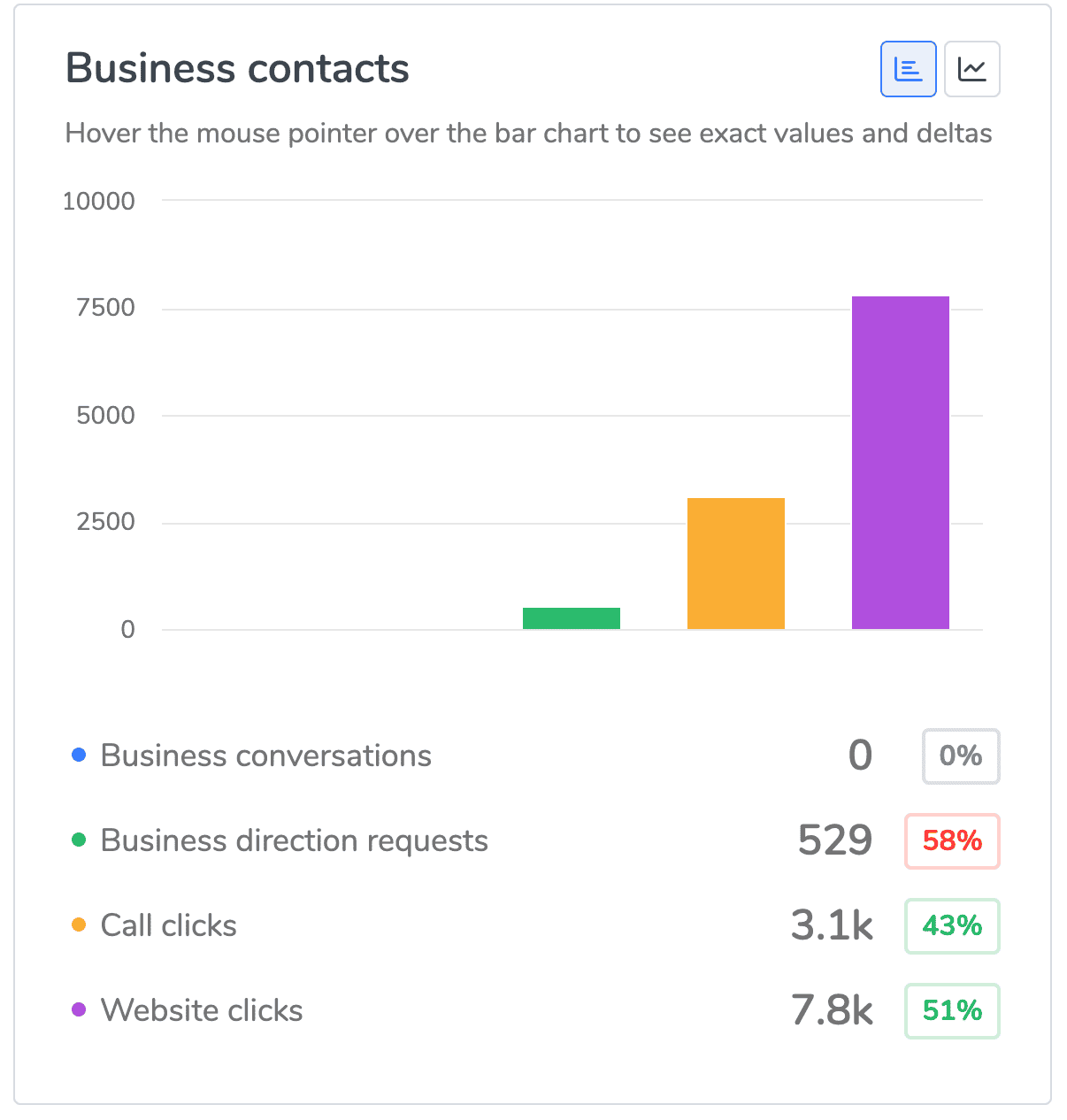
Every screenshot below comes from this client's own Search Console and Google Business Profile.
More case studies
Ready for your own growth story?
Get a free SEO audit of your treatment center's website. We'll analyze your site, local presence, and competitors, then send a prioritized plan to rank higher and win more calls.