2–3X Organic Traffic Growth for a Multi-State Rehab Provider
A multi-state addiction treatment provider grew cumulative organic traffic 2–3X in 6–12 months, and multiple clinics reached the top 3 local pack.
2–3X
Cumulative organic traffic
Top 3
Local pack across clinics
60–90 days
To initial gains
Multi
Market search presence
Overview
The client operated several addiction treatment clinics across U.S. states but lacked a consistent digital presence. Local visibility was uneven with poor Google Business Profile performance and under-optimized location pages. Each location competed independently without a cohesive, scalable SEO strategy.
Strategy: Scalable Multi-Location Local SEO
- Location-specific page architecture optimized for each city, service, and treatment type
- Individualized Google Business Profile optimization per location
- Location-based review campaigns for trust and relevance
- Citation building and internal linking to maximize domain authority
- Intent-aligned keyword mapping by city, service, and search behavior
The Results
- Multiple clinics reached top 3 local pack status
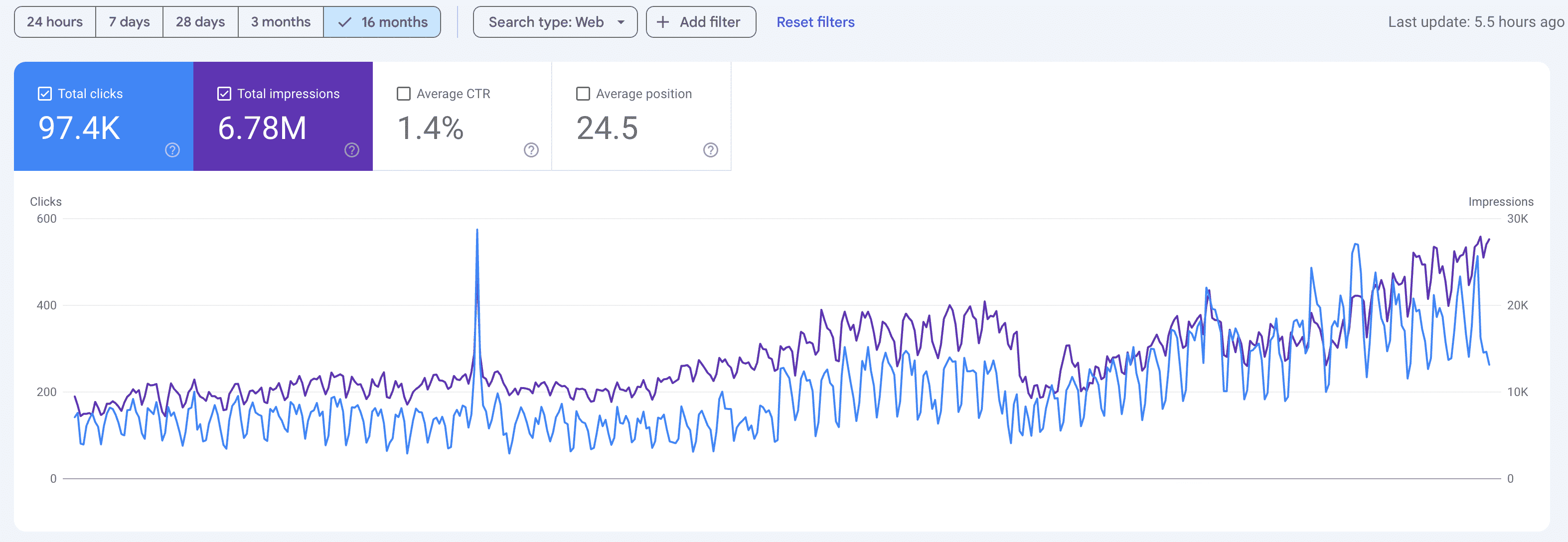
- 2–3X cumulative organic traffic growth
- Stronger map rankings and multi-market search presence
- Higher-quality geo-intent leads with better conversion rates
Why It Worked
- U.S.-based local SEO strategy built for competitive healthcare markets
- Scalable infrastructure balancing clinic footprints with parent domain authority
- Market-specific rather than templated targeting
- Technical excellence: site structure, page speed, and location schema
The bottom line: Initial gains appeared in 60–90 days, with full local SEO momentum building over 6–12 months.
Why did a multi-state provider still lack digital visibility?
This provider ran several addiction treatment clinics across multiple U.S. states, yet its digital presence did not reflect that scale. Local visibility was uneven from market to market. Google Business Profile performance was poor, and location pages were under-optimized. Each location competed independently without a cohesive, scalable SEO strategy. That fragmentation wasted the authority of a large parent brand, because no shared structure passed strength between markets. A big footprint without coordinated local SEO produces small local results. RehabGrowth mapped every market before acting, and a free SEO audit exposes exactly where a multi-location brand loses local ground.
How did the scalable framework fit a multi-market brand?
A multi-state brand needs one system that works across every clinic. RehabGrowth built a location-specific page architecture optimized for each city, service, and treatment type. The framework gave each clinic individualized Google Business Profile optimization instead of a single shared listing. Location-based review campaigns built trust and relevance market by market. Citation building and internal linking channeled parent domain authority to every location. Intent-aligned keyword mapping targeted each city by its own service and search behavior. Local SEO at scale balances a large clinic footprint against the authority of the parent domain, and this framework kept that balance across states.
Why did this approach work for multiple locations?
Local search ranks each clinic on its own local signals, not on brand size alone. A single generic profile cannot rank in many cities at once, so each clinic needed its own optimized presence. RehabGrowth used market-specific targeting rather than templated pages, which helped individual clinics break into the local pack. Individualized Google Business Profile optimization made each location relevant to its own searchers. Technical excellence in site structure, page speed, and location schema supported every market at once. Internal linking then let the parent domain lift the weakest clinics. Scale became an advantage instead of a liability.
What do these results mean for admissions?
The 2 to 3X figure is cumulative across the network, so it describes the provider as a whole rather than any single clinic. The more useful signal for admissions is where the traffic landed: clinic-level pages and profiles in each market, which carry geo-intent. The provider reported that these geo-intent leads converted at better rates than before. It did not share admissions counts by clinic, so this case study reports traffic and local pack placement rather than admitted patients.
What was the timeline of change?
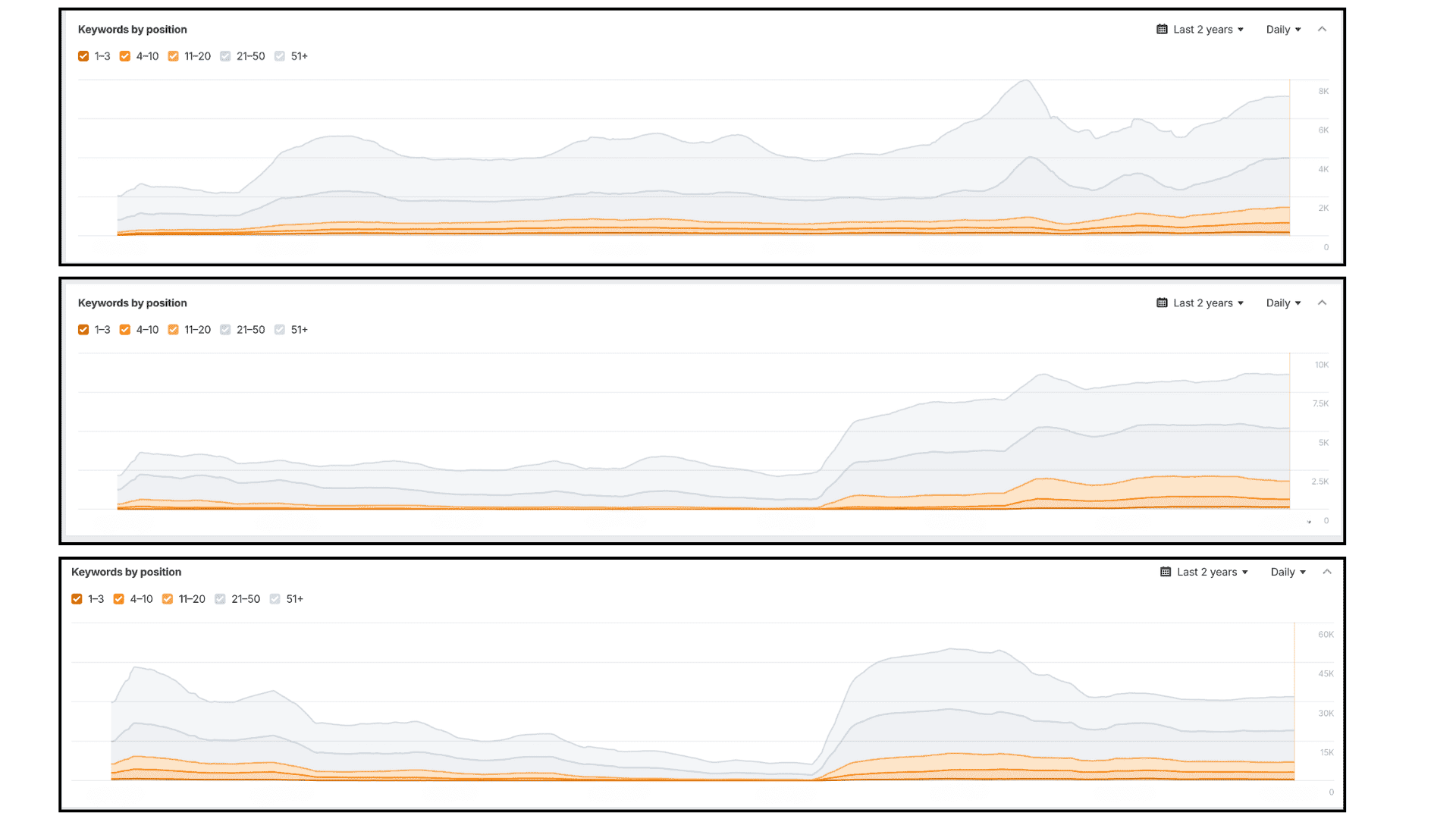
Initial gains appeared in 60 to 90 days. Full local SEO momentum built over 6 to 12 months. The scalable framework produced early wins in the fastest-moving markets first. Those early gains validated the system before it compounded across the network. Reviews, citations, and internal links strengthened every location through the middle of the engagement. By 6 to 12 months, the cumulative traffic curve reached its 2 to 3X lift. This timeline shows that a coordinated multi-location strategy delivers quick proof and then scales steadily across states.
What should a similar multi-location provider take away?
A brand with many clinics should never let each location fight alone. Uneven visibility signals a missing shared framework, not a failure at any single site. The fix is one scalable system with individualized local pages and profiles per clinic. Market-specific targeting beats templated content, because each city ranks on its own signals. Internal linking and citations then turn parent authority into local lift everywhere. This provider grew cumulative traffic 2 to 3X and reached top 3 local pack status across states. Operators planning the same model can see how RehabGrowth delivers multi-location SEO for treatment centers, or review the full case studies for single-facility results.
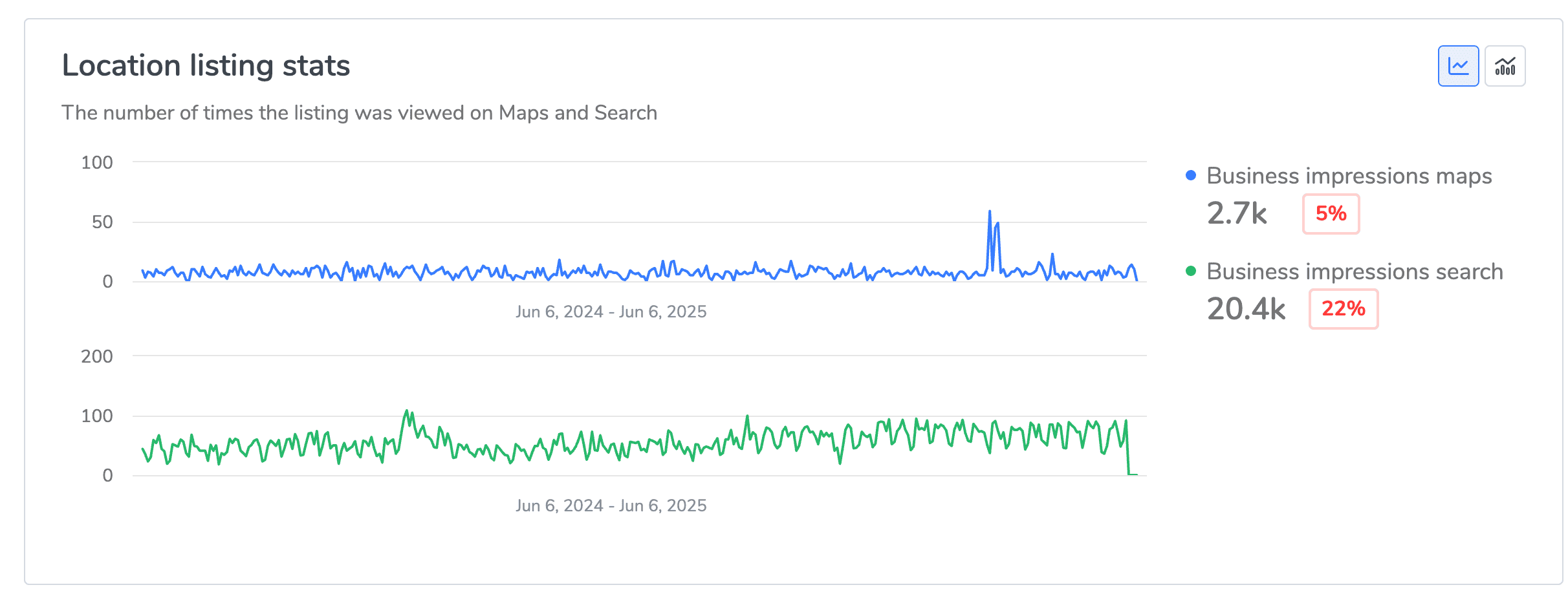
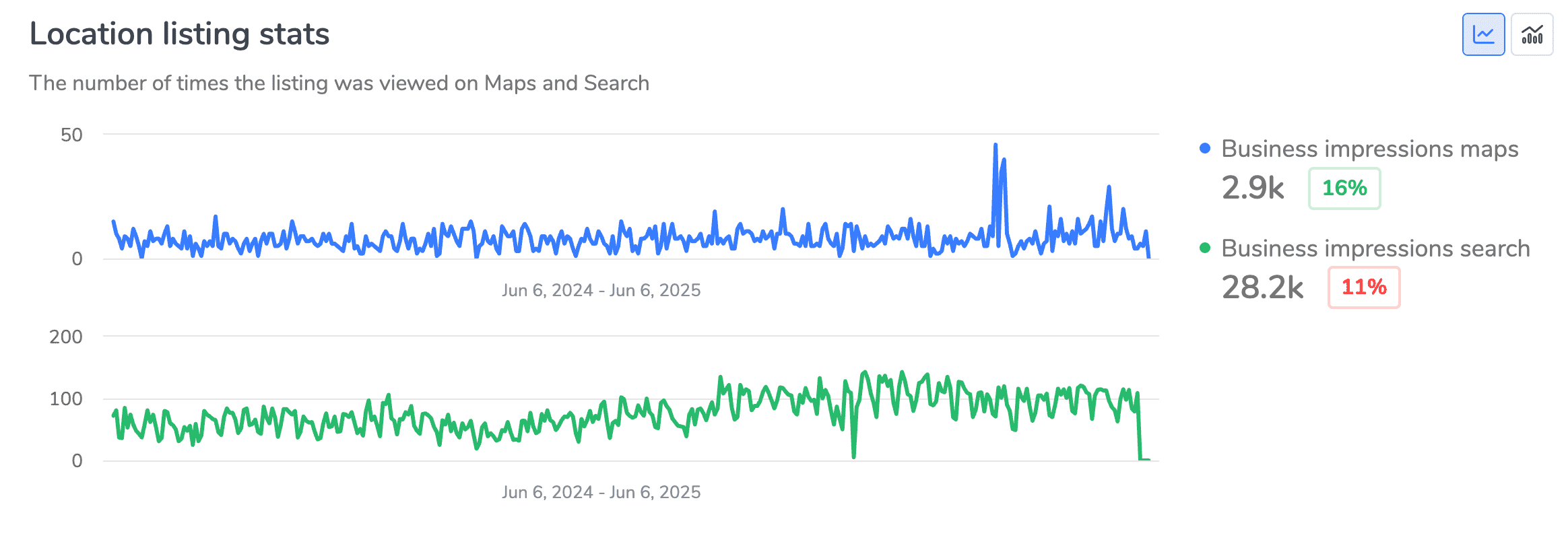
Real data, straight from Google
Every screenshot below comes from this client's own Search Console and Google Business Profile.
More case studies
Ready for your own growth story?
Get a free SEO audit of your treatment center's website. We'll analyze your site, local presence, and competitors, then send a prioritized plan to rank higher and win more calls.