Rehab SEO Case Studies
Five organic SEO engagements with US addiction treatment centers: 150% more daily clicks in North Carolina, 3X daily clicks in Indiana, 24,000 calls in South Carolina, 2.5X organic traffic in Ohio and 2–3X organic traffic across a multi-state provider. No PPC ads, no lead aggregators.
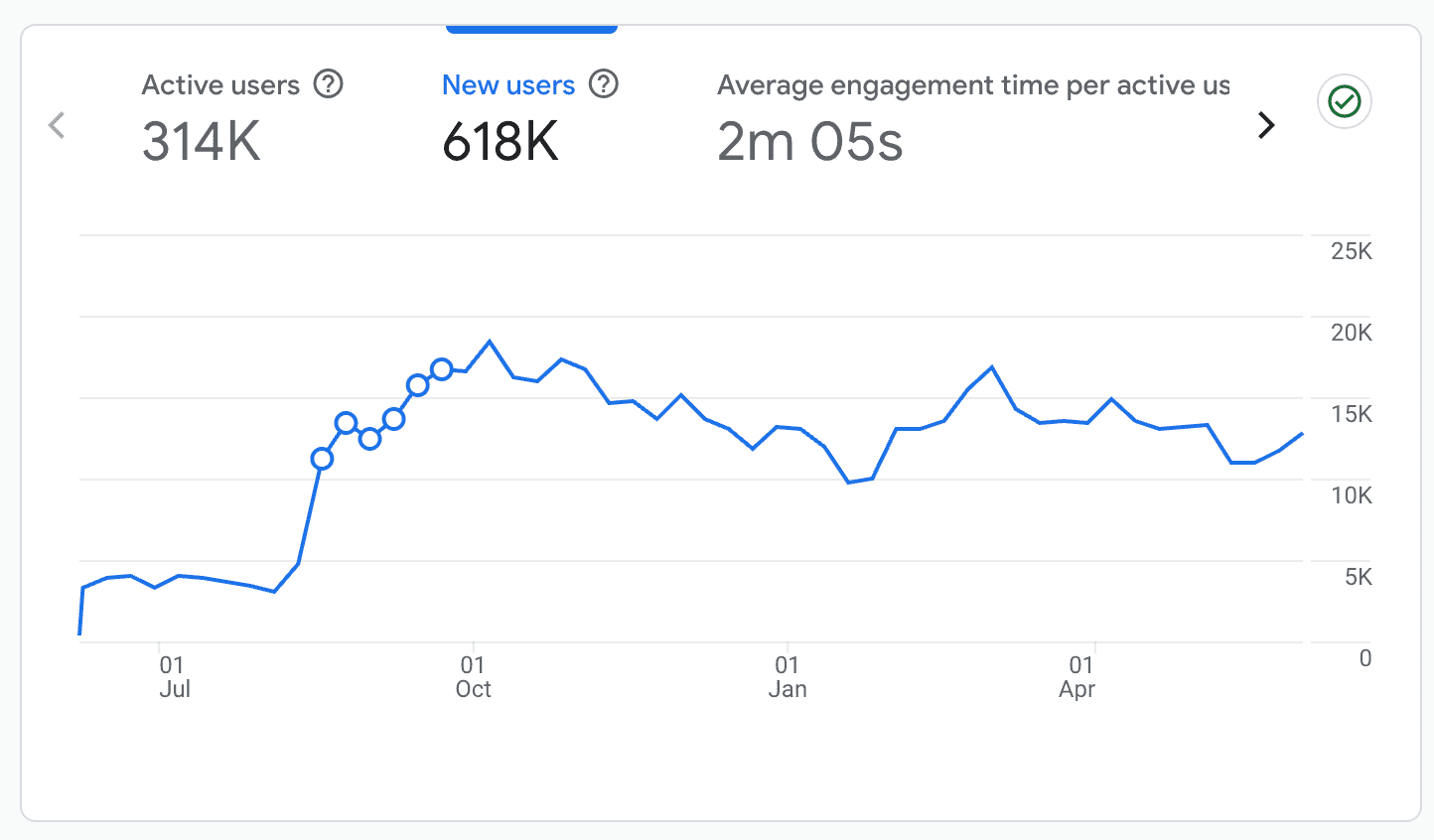
North Carolina Rehab Center
A North Carolina rehab center grew from 400 to 1,000+ daily organic clicks (150%) in 16 months with local SEO, GBP optimization and city pages.
Read case study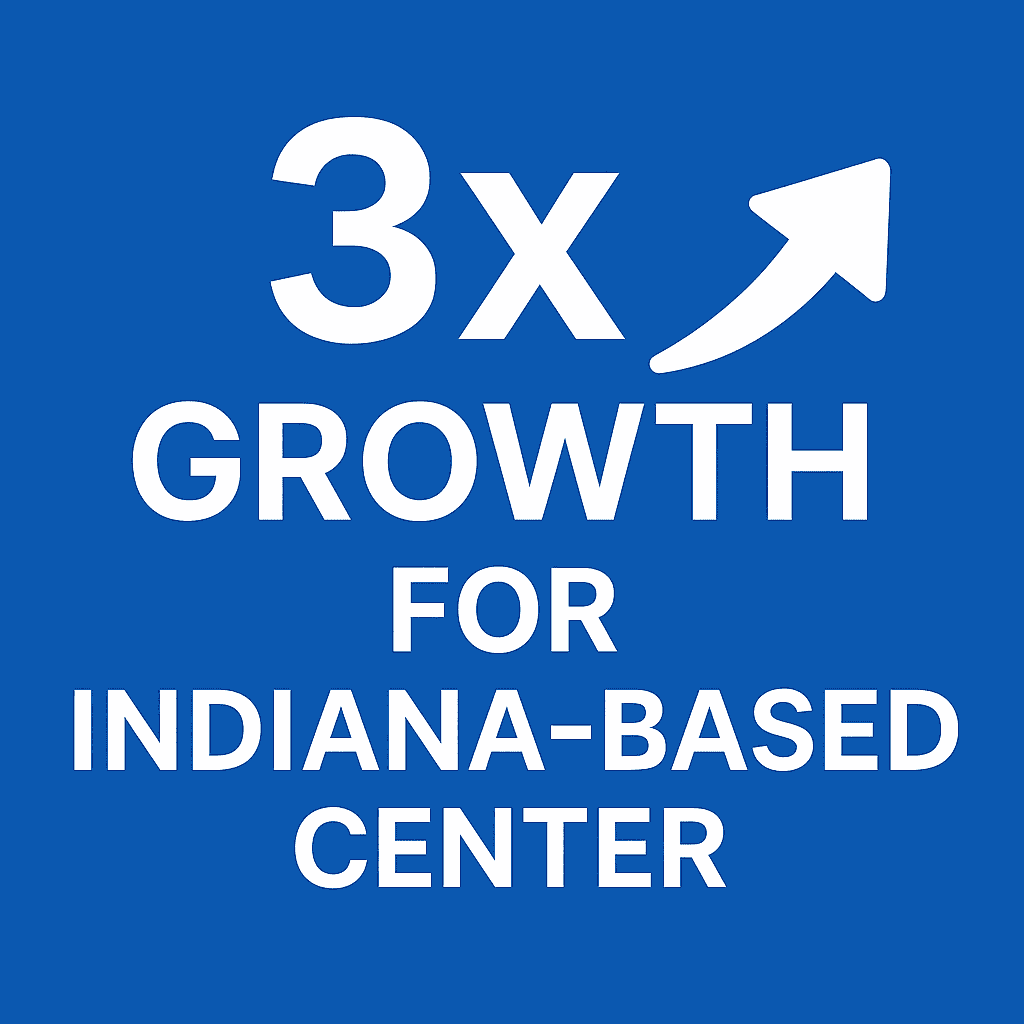
Indiana-Based Addiction Treatment Center
An Indiana rehab center that was nearly invisible in local search tripled its daily organic clicks in under 12 months, with $0 spent on ads.
Read case study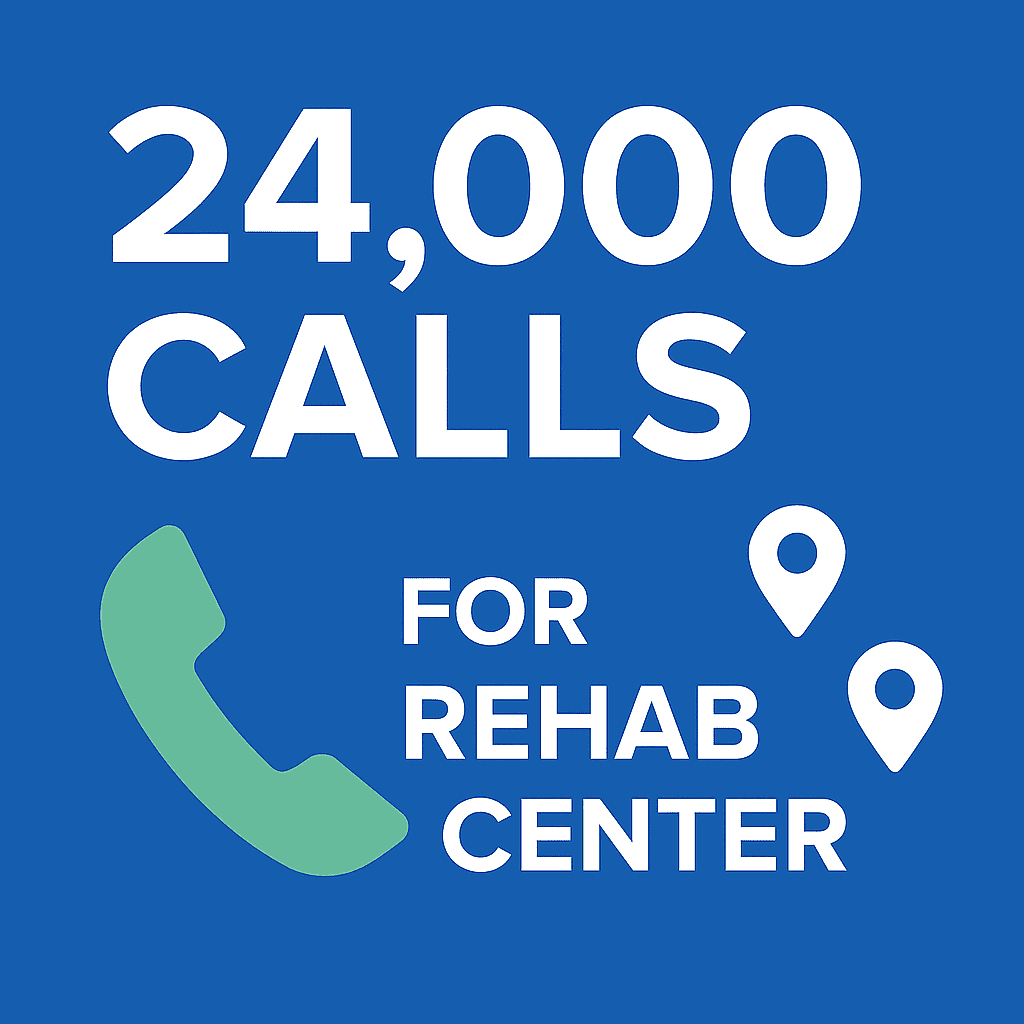
South Carolina Rehab Center
A South Carolina rehab center logged about 24,000 calls from 11,000 organic search users, with calls rising within 90 days and peaking in months 6–12.
Read case study
Multi-Location Treatment Provider
A multi-state addiction treatment provider grew cumulative organic traffic 2–3X in 6–12 months, and multiple clinics reached the top 3 local pack.
Read case study
Ohio-Based Treatment Center
An Ohio treatment center grew organic traffic 2.5X in 12 months from non-branded local search, reaching top 3 Google Maps rankings with $0 ad spend.
Read case studyWhat This Case Studies Library Documents
RehabGrowth documents verified search performance results for addiction treatment centers. Each case study records one engagement from baseline to outcome. Every published result comes from organic search work, not paid advertising. This library gives treatment center operators a factual reference for what search engine optimization produces in the behavioral health market.
The published results span single-facility programs and multi-location provider groups. The reported outcomes are a 150% increase in daily organic clicks (North Carolina, 16 months), 3X daily organic clicks (Indiana, under 12 months), about 24,000 calls from 11,000 organic users (South Carolina), 2.5X organic traffic (Ohio, 12 months), and 2-3X cumulative organic traffic for a multi-state provider (6-12 months). RehabGrowth ties each number to a defined framework and a measured timeline. This page explains how to read those numbers, what produced them, and how a treatment center secures a comparable outcome.
What Makes a Rehab SEO Case Study Credible?
A credible rehab SEO case study names the metric, the baseline, the timeframe, and the method. Weak case studies report a percentage without a starting point. Strong case studies report the starting position, the ending position, and the months between them. Credibility rests on traceability, and traceability requires all four elements.
RehabGrowth structures each study around four credibility markers.
- Baseline data establishes the pre-engagement position for traffic, rankings, and call volume.
- Defined timeframe attaches every gain to a period, usually 3-6 months for initial movement and 6-12 months for compounding results.
- Traceable method connects the outcome to specific work: technical fixes, local optimization, content, and links.
- Business metrics report calls and admissions, not rankings in isolation.
A case study that omits the method teaches nothing. Read the RehabGrowth rehab center SEO case study to see all four markers applied to one facility.
The Local SEO Recovery Framework Behind the Results
Every RehabGrowth engagement follows the same order of work, whether the case study calls it the Local SEO Recovery, Local SEO Growth, Call-Focused or Scalable Multi-Location framework. The framework sequences the work that moves a treatment center from low visibility to stronger local rankings. It applies to single facilities and to multi-location groups. The emphasis changes with each market, but the order of work stays consistent, which is why the results are comparable.
Technical Foundation
The framework starts with technical health. Google crawls and indexes a site before it ranks the site. RehabGrowth resolves crawl errors, page speed problems, and mobile rendering faults first. Mobile rendering matters because people searching for treatment often search on phones, frequently at the moment of crisis. The drug rehab SEO services page details the full technical scope.
Local Optimization
The framework then targets local intent. RehabGrowth optimizes the Google Business Profile, builds location pages, and standardizes citations across directories. Local optimization drives Map Pack placement, and a top 3 Map Pack position earns a large share of the clicks on local treatment searches. The local SEO service covers this layer of the framework.
Content and Authority
The framework finishes with content depth and link authority. RehabGrowth publishes treatment-specific pages that answer patient and family questions. Authority signals from relevant sites raise rankings for competitive terms. Content and links compound over 6-12 months, and compounding produces the largest gains late in an engagement.
How Do You Read the Metrics in These Case Studies?
Read the metrics as a funnel from visibility to admissions. Each metric measures a different stage, and the stages connect in order. A gain at one stage usually precedes a gain at the next.
Clicks and Organic Traffic
Clicks measure demand capture. A 3X clicks result, as in the Indiana study, means the site earns three times the daily organic clicks it earned at baseline. Traffic sits at the top of the funnel and predicts downstream calls.
Map Pack Position
Map Pack position measures local dominance. A top 3 Map Pack placement puts a facility in front of searchers at the decision moment. The Map Pack renders above standard organic results for local queries, so position here outweighs a standard first-page ranking.
Calls
Calls measure intent. The 24,000 tracked calls figure represents direct contact from search visitors. Calls convert to admissions inside the intake process, so call volume is the strongest leading indicator of revenue.
Admissions
Admissions measure revenue. Admissions are the metric that funds the center. RehabGrowth treats admissions as the end goal and treats every prior metric as a leading indicator. Review the South Carolina rehab center SEO case study to see how call volume is reported when admissions data stays with the center.
What Pattern Repeats Across Every Win?
One pattern repeats in every RehabGrowth result: the growth is all organic. No case study relies on paid advertising. Paid ads stop producing the moment the budget stops. Organic rankings hold and compound after the work is done.
This pattern matters for two reasons.
- Ad platform restrictions limit rehab advertising. Google requires LegitScript certification for treatment ads, and many centers face rejected campaigns.
- Cost structure favors organic. Organic traffic carries no per-click cost, so the cost per admission falls as rankings rise.
The multi-location result confirms the pattern at scale: one multi-state provider grew cumulative organic traffic 2-3X in 6-12 months. See the multi-location rehab SEO case study for the portfolio view.
How Do Single-Facility and Multi-Location Results Differ?
Single-facility results concentrate in one market, and multi-location results distribute across many. A single facility competes for one set of local keywords in one city. A multi-location group competes for the same keyword set repeated across every service area.
The framework handles both, and the published timelines are similar. The single-facility studies show first gains within about 90 days and full growth over 12 to 16 months. The multi-location provider showed initial gains in 60 to 90 days in its fastest markets and full momentum over 6 to 12 months, with the result reported as cumulative traffic across all clinics (2-3X) rather than per location.
What Should a Treatment Center Expect From a Similar Engagement?
A treatment center expects a phased timeline, not an overnight result. SEO compounds, and the compounding follows a predictable curve.
- Months 1-3 deliver technical fixes and foundation work. Early ranking movement appears in this window.
- Months 3-6 deliver local visibility gains and initial call lift. Map Pack positions improve here.
- Months 6-12 deliver compounding traffic, higher call volume, and admission growth.
Results vary by market competition, starting position, and facility footprint. RehabGrowth maps the expected curve to each center during the audit. Multi-location operators review the multi-location SEO approach for the group-level timeline.
How Do You Get a Comparable Audit?
A treatment center gets a comparable audit through the free audit request. The audit measures the center's current position against the Local SEO Recovery Framework. The audit identifies technical faults, local gaps, and content opportunities before any engagement begins.
The audit reports three things: the baseline, the gap, and the opportunity. RehabGrowth delivers the audit with no paid ad requirement and no long-term obligation. The analysis names the technical faults to fix first, the local signals to build next, and the content to publish for compounding gains. Request the assessment through the free audit page and receive a facility-specific analysis that mirrors the starting point of every case study in this library.
Want results like these?
Get a free SEO audit of your treatment center's website. We'll analyze your site, local presence, and competitors, then send a prioritized plan to rank higher and win more calls.